Series: Algal
Natural Astaxanthin from Haematococcus pluvialis — EarthHue Asta-Max 100
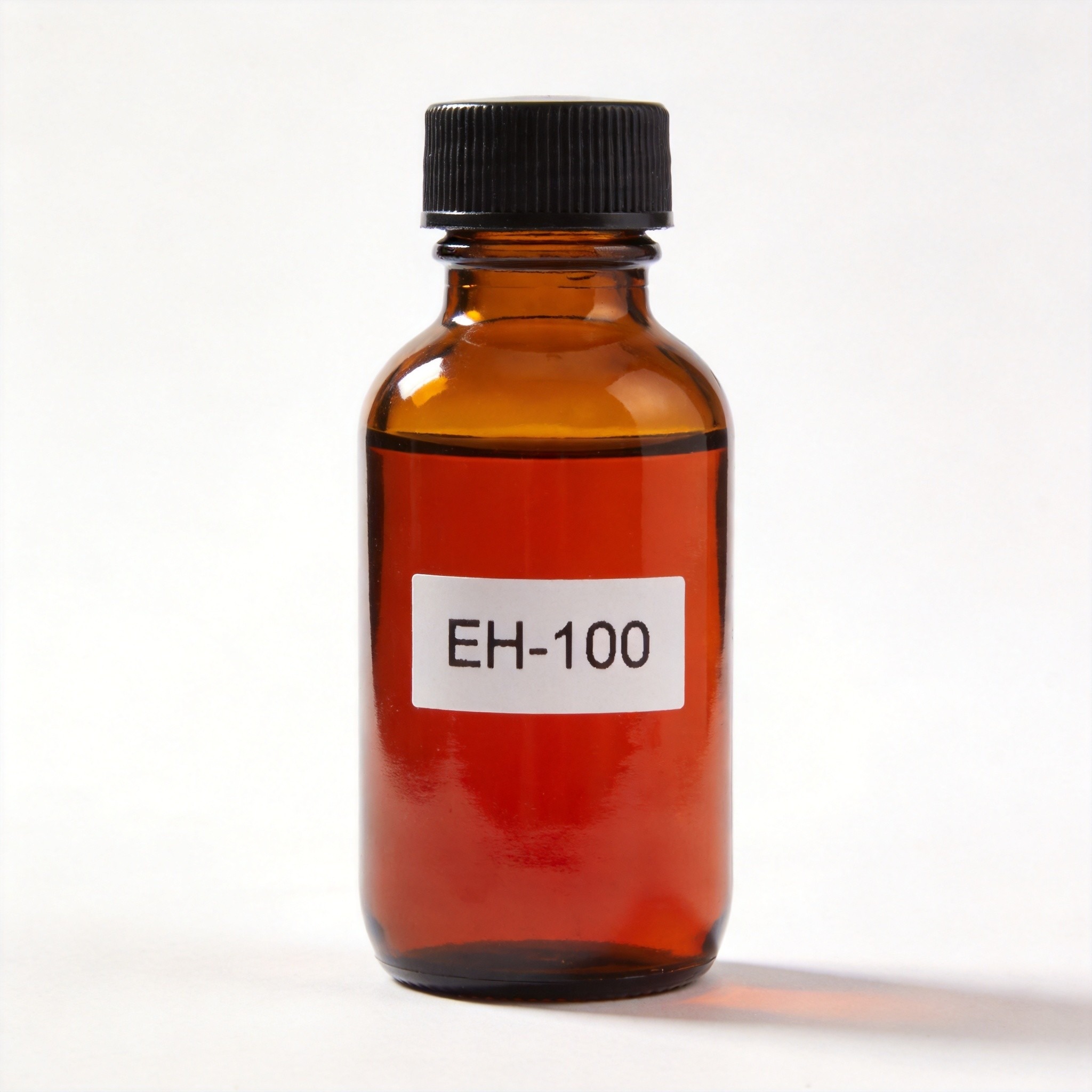
Astaxanthin (Haematococcus)Oil Suspension 5%
Overview
Natural astaxanthin extracted from cultivated Haematococcus pluvialis microalgae and held as a stabilised oil suspension. This is the algal reference grade — the source behind most published astaxanthin clinical work — and it is the grade to specify when your claim or your customer's specification names one single well-characterised ingredient. It is also the more expensive option per kilogram of active. EarthHue Asta-Yeast 110 delivers the same 3S,3′-S molecule by yeast fermentation, at a lower cost per kilogram and with year-round supply. Ask for both grades and colour-match them in your own matrix.
Specifications
| Active content | Astaxanthin ≥5.0% (HPLC, 3S,3′-S isomer) |
|---|---|
| Source | Haematococcus pluvialis microalgae |
| Production route | Outdoor cultivation, cell-wall rupture and extraction |
| Product form | Oil suspension, free astaxanthin |
| Colour | Deep red to red-purple |
| Carrier | Refined sunflower oil + natural tocopherol |
| Solubility | Oil-dispersible |
| E-number | E 161j (EU colour). Haematococcus astaxanthin-rich oleoresin is also authorised in the EU as a novel food under Reg (EU) 2015/2283 and Impl. Reg (EU) 2017/2470 as amended by 2024/1026 |
| CAS | 472-61-7 |
| Typical use level | 0.05–0.5% (colour) / 4–12 mg/day (supplement); EFSA advises a maximum of 4 mg/day from H. pluvialis |
| Storage | Below 25 °C, protected from light; do not freeze after opening |
| Shelf life | 24 months unopened |
| Minimum order | 1 kg |
Applications
Nutraceutical & SupplementEye Health & SkinFood & Beverage ColourFeed & Aquaculture
Frequently asked questions
What is the difference between this grade and your yeast astaxanthin?
Both deliver the same active molecule, 3S,3′-S astaxanthin. Haematococcus pluvialis is cultivated outdoors and harvested, which makes it the reference grade most buyers name when they want one single well-characterised ingredient — but it costs considerably more per kilogram of active and its supply follows the growing season. Our yeast astaxanthin from Phaffia rhodozyma is made in closed fermenters, so it is available all year, costs less per kilogram of active and can be tuned to a target assay.
Which astaxanthin grade should I choose for a supplement?
If your marketing claim rests on a published human clinical study, use the same source that study used — usually Haematococcus pluvialis. If your claim is structural, for example antioxidant or eye-health positioning, the yeast grade delivers the same molecule at a lower cost per kilogram and with a steadier year-round supply. We can supply both grades so you can compare them side by side in your own formulation.
How should astaxanthin oil suspension be stored?
Keep the sealed drum below 25 °C and away from light. Free astaxanthin degrades under heat, light and oxygen, so once opened, use the contents within six months and reseal tightly. Every batch ships with accelerated stability data at 40 °C and 75 % relative humidity so you can see the margin against your own shelf-life target.
Do you supply a COA and MSDS with every batch?
Yes. Every lot ships with a certificate of analysis covering identity, assay, heavy metals by ICP-MS, microbiology and residual solvents, plus an MSDS. Source, allergen and GMO statements and the market-specific regulatory documentation for EU, US, Japan or Korea filing are available on request.