Series: Algal
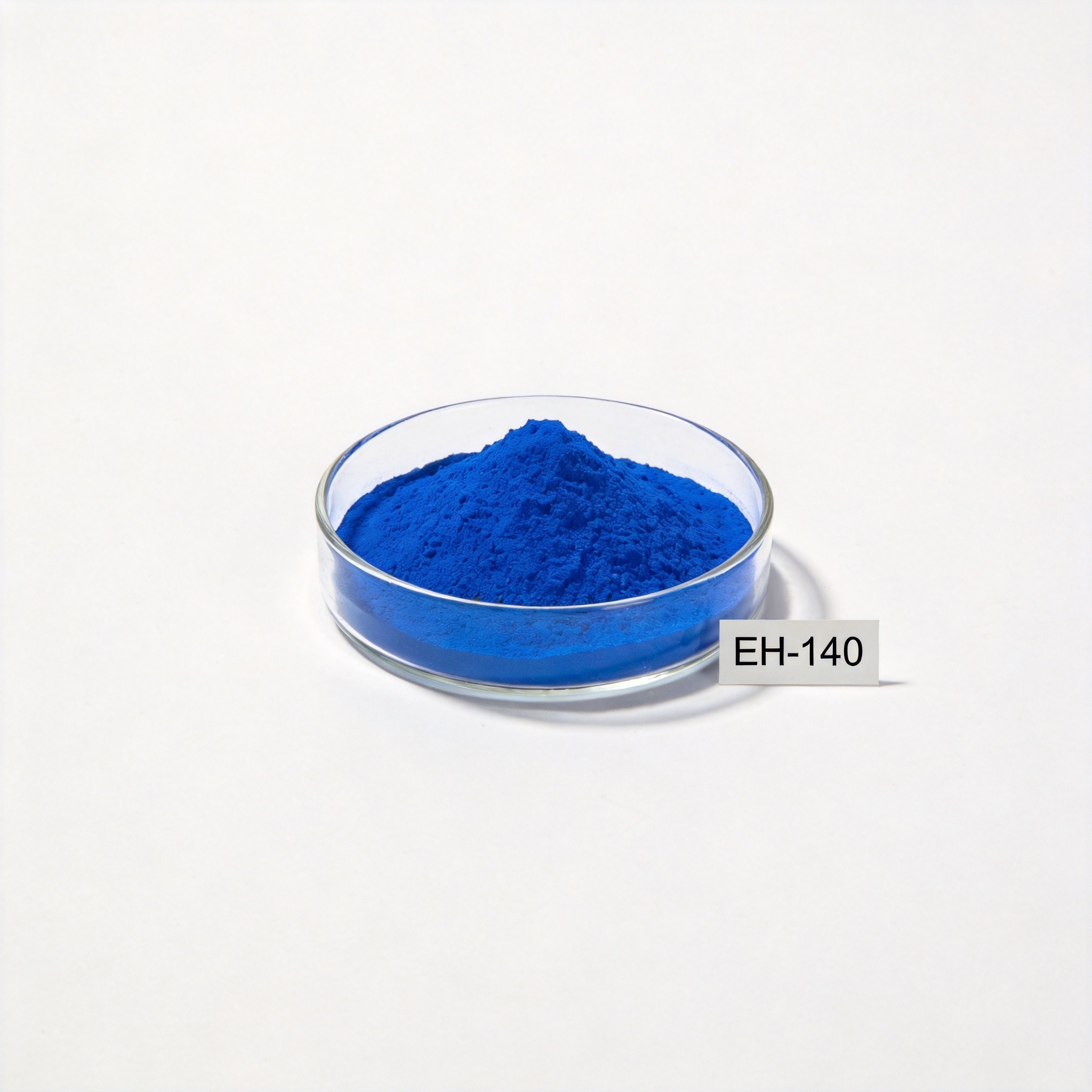
Spirulina C-Phycocyanin 25% Powder — GRAS Natural Blue Colorant EarthHue Cyano-Blue 140
C-PhycocyaninPowder 25%
Overview
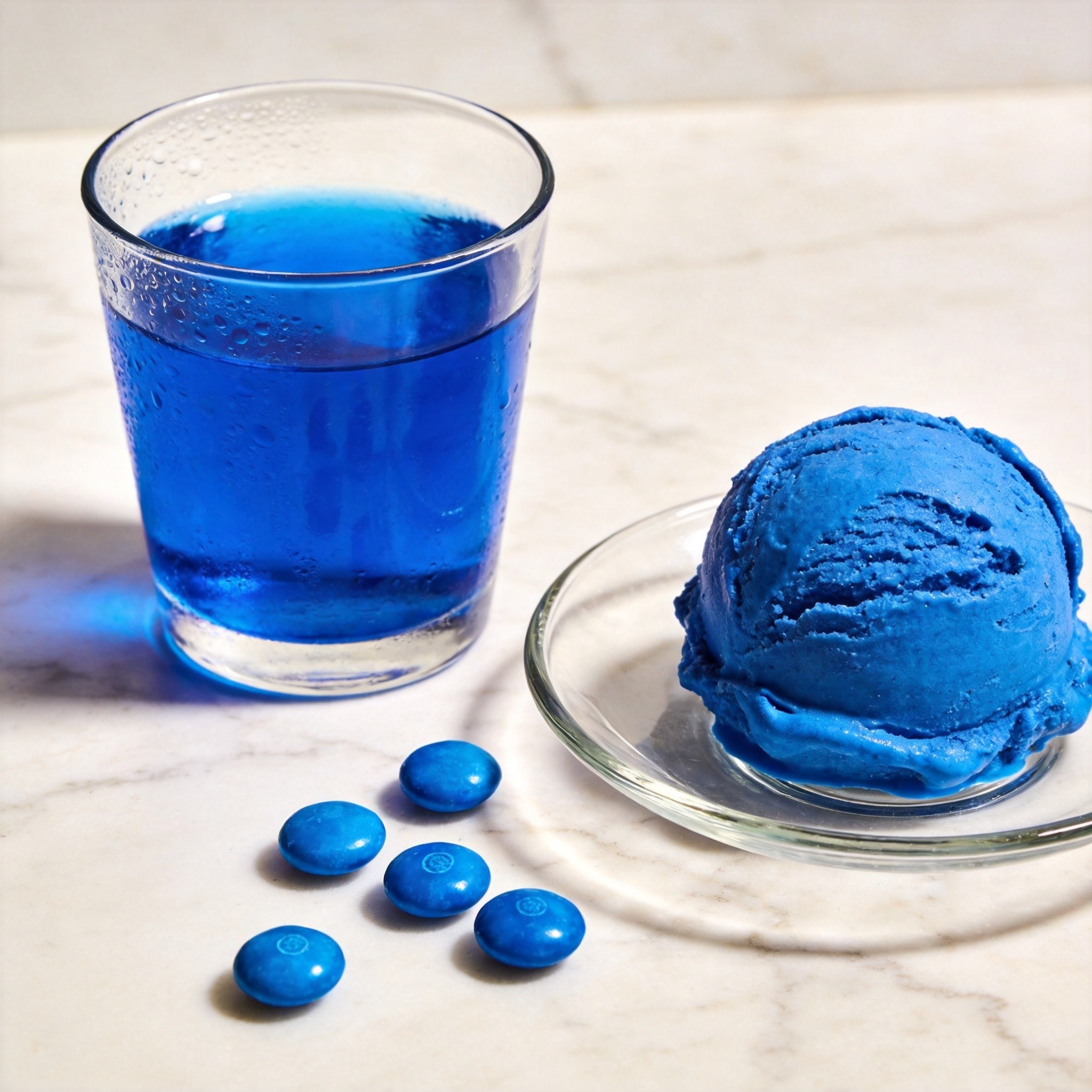
A premium 25% C-phycocyanin powder extracted from Spirulina, delivering a vivid natural blue with FDA GRAS status for beverages, ice cream, confectionery, and dietary supplements.
Specifications
| Active content | Phycocyanin ≥25% (UV-Vis, A625/A618) |
|---|---|
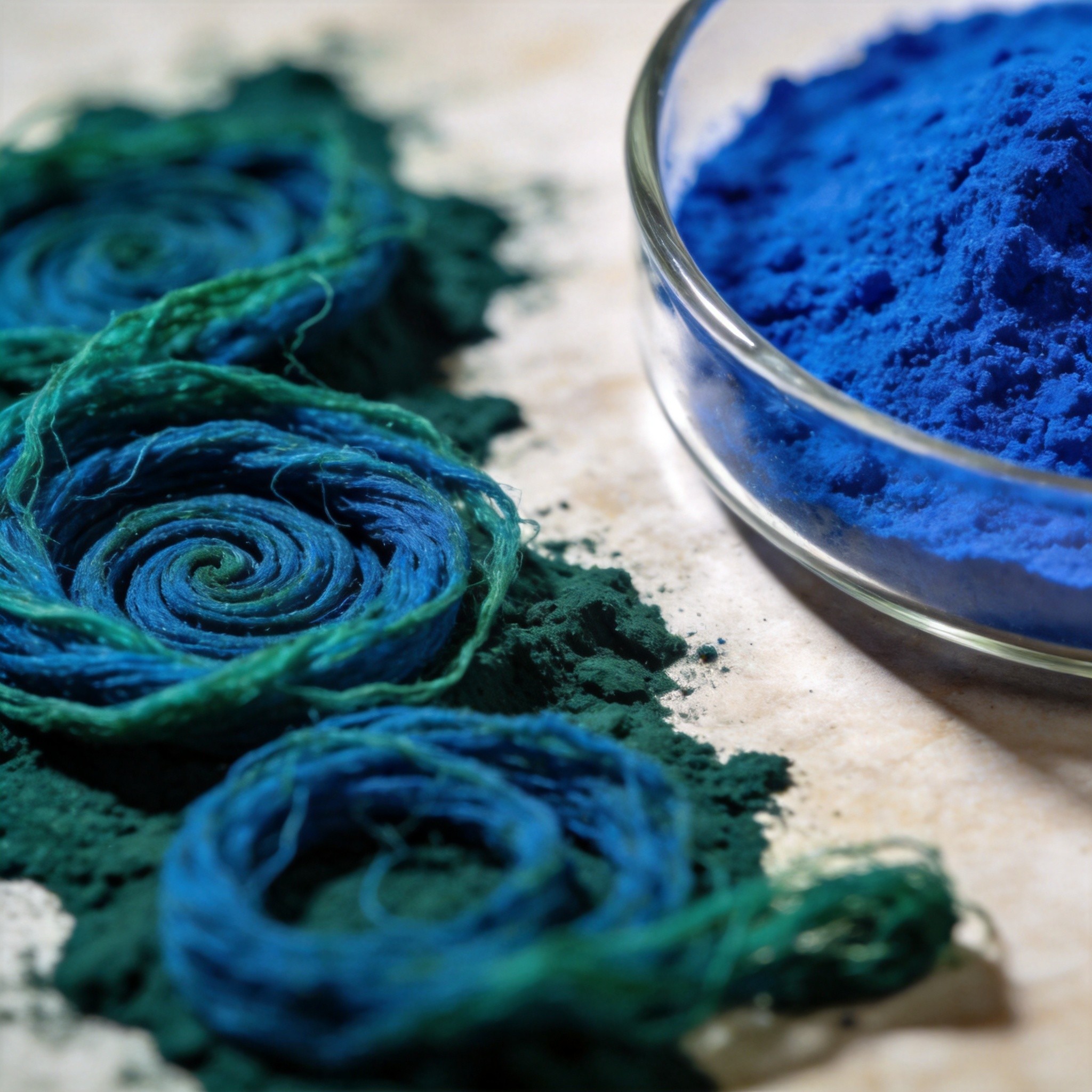
| Source | Arthrospira (Spirulina) platensis |
| Production route | Cultivation, cell harvest and cell-wall rupture |
| Product form | Free-flowing powder |
| Colour | Deep blue |
| Carrier | Maltodextrin |
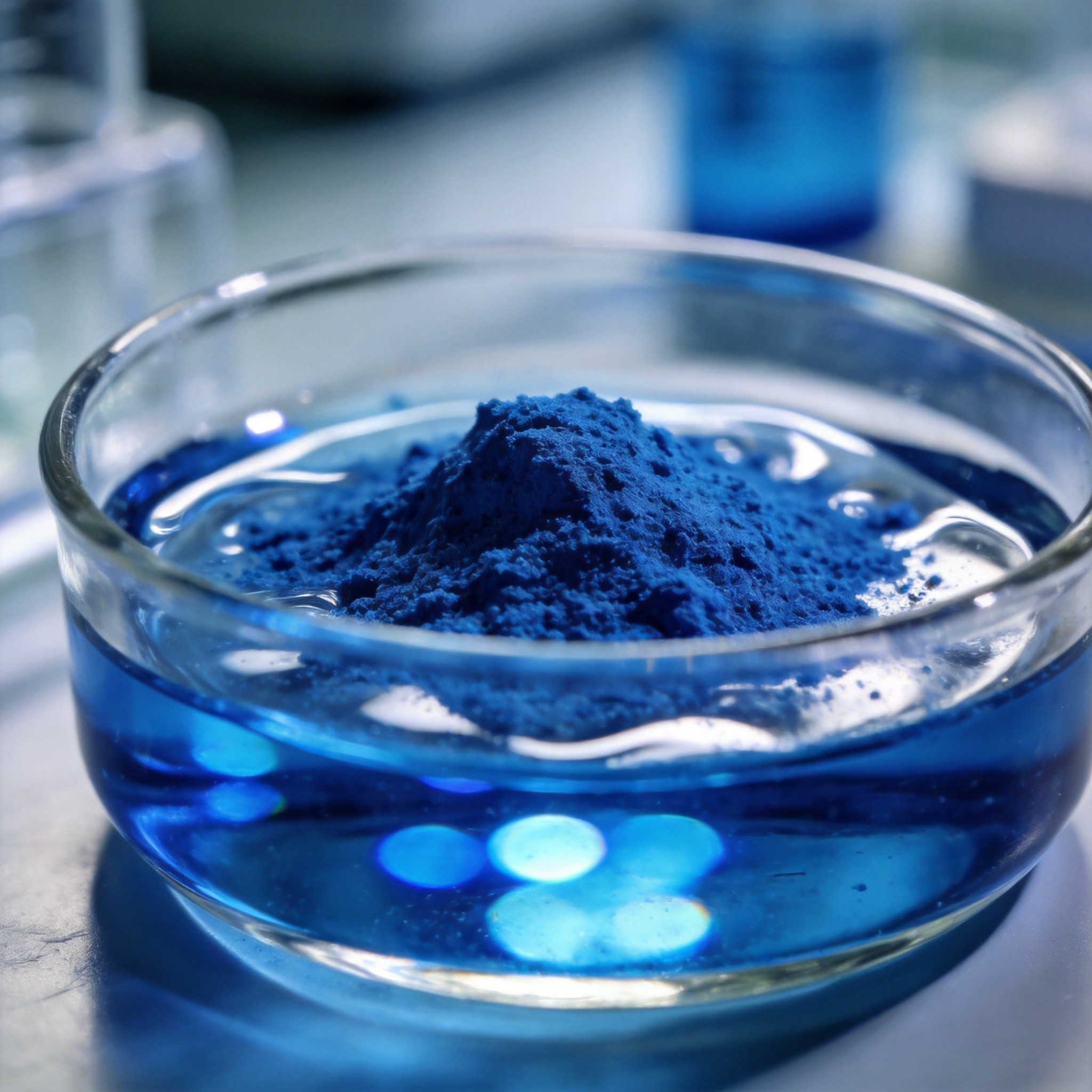
| Solubility | Water-soluble |
| Typical use level | 0.05–0.5% depending on matrix |
| Storage | Below 25 °C, protected from light |
| Shelf life | 18 months unopened |
| Minimum order | 1 kg |
Applications
BeveragesIce creamConfectioneryDietary supplements
Frequently asked questions
Is phycocyanin the only natural blue food colour?
It is the only widely available, water-soluble natural blue that is granted a colour-additive status in the EU, the United States, Japan and Korea. That is why it has become the standard answer for anyone looking for a clean-label blue. The trade-off is sensitivity to heat, light and pH, so it needs careful processing and formulation.
Why does my phycocyanin fade after pasteurisation?
The phycobiliprotein protein denatures when it is heated, which destroys the chromophore and bleaches the colour. Using a heat-stable grade and a post-pasteurisation addition point, or reducing the heat exposure, keeps more of the blue. Send us your process conditions and we will advise the formulation that holds the colour.
Is phycocyanin suitable for clean-label and vegan positioning?
Yes. It is a pigment from a cyanobacterium rather than a synthetic dye, and it is compatible with vegan and allergen-free claims. We provide the source, allergen and GMO statements with the shipment for your technical file.